 By Colin Woodward
When I was in Richmond over the holidays, I spent some time in the Museum District, where I lived while I was an archivist at the Virginia Historical Society. While driving down the Boulevard one afternoon, I saw protestors outside the Virginia Museum of Fine Arts. A handful of people were picketing that the VMFA was not respecting the Confederate battle flag and the South’s “heritage.” I had no idea what this was about, but I was surprised to see that one of the protestors was African American.
After doing a little research, I discovered that a group calling itself Virginia Flaggers wants the VMFA to fly a Confederate battle flag (not to be confused with the Confederate national flag) at the Lee Memorial Chapel, which is visible on the VMFA grounds. Apparently, the chapel is owned by the Sons of Confederate Veterans, who lease the chapel property to the VMFA. In 2010, the VMFA renewed its lease with the SCV, which, at the VMFA’s request, took down the battle flag. But now, the Virginia Flaggers–who probably have little to do now that the Tea Baggers have been shouted down by the Occupy Movement–want the flag put back up.
I don’t see what the Flaggers hope to gain. I can’t imagine why the VMFA would give in to a few protestors, who apparently can’t get enough visible evidence that Richmond was the Confederate capital. Are the monuments to Lee, Jackson, Stuart, and Jefferson Davis not enough? Or the flag that flies over the UDC building, which is right next door to the VMFA (and is not, tellingly, open to the public)? I would answer, yes.
The Virginia Historical Society was once housed in Robert E. Lee’s home. Later, it was moved to its present location on the Boulevard in a building called Battle Abbey. The Rebel flag, however, does not fly at the VHS, which is one reason why the building is the state’s premiere source for Virginia history. You cannot hope to attract a wide, respectable audience while flying a flag that offends a large number of Americans. Yet, the Virginia Flaggers are offended that the VMFA have removed an offensive symbol on property it pays for.
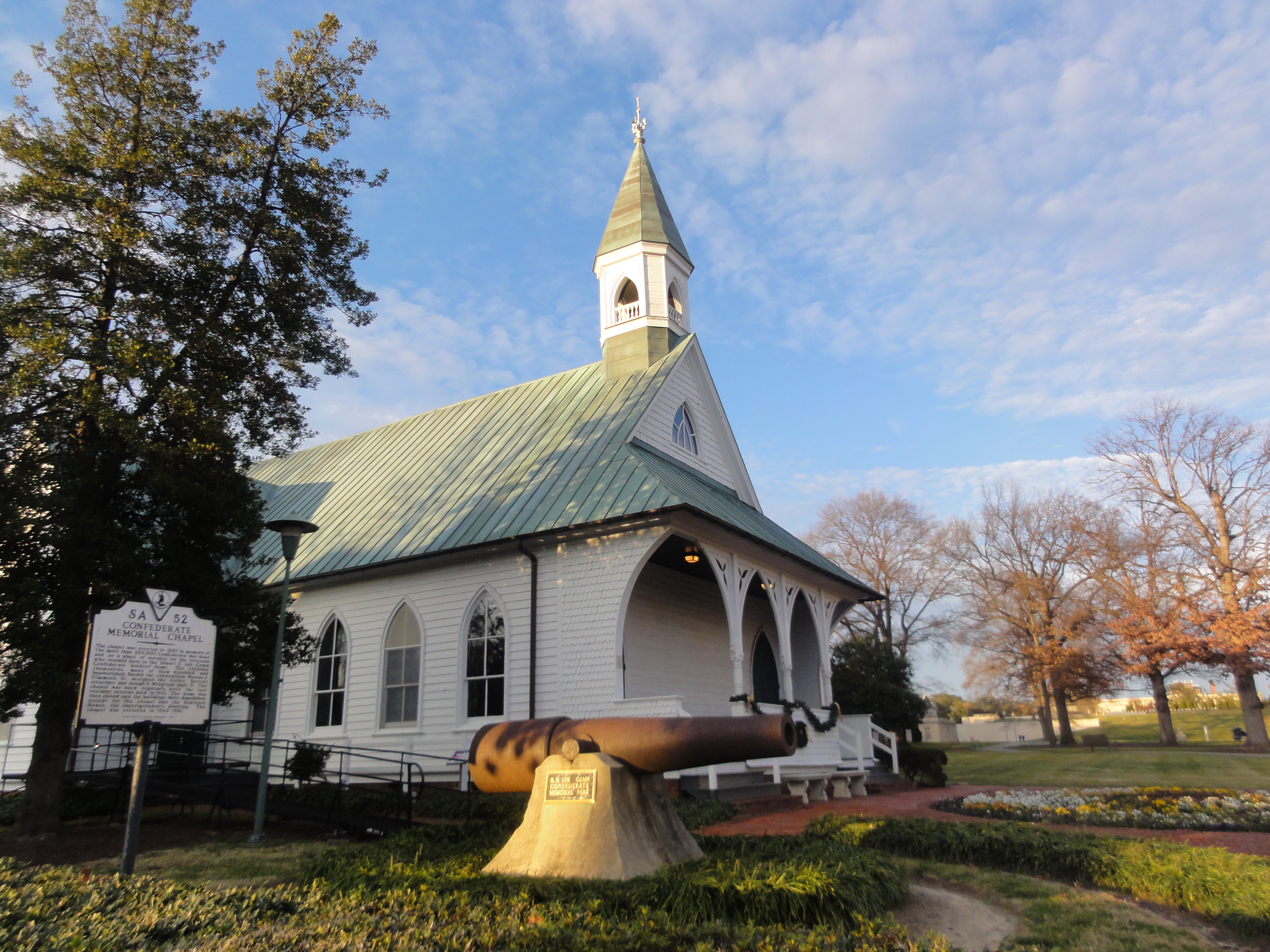
The VMFA is a first-rate institution that recently spent millions of dollars to renovate and expand. The improved and sunny VMFA is a symbol of Richmond entering the 21st century. The Confederate battle flag, however, is a relic of the 19th, something that backward-looking people embrace. Sometimes the flag is used hatefully by the KKK; other times it is flown more innocently, as at an Ole Miss game.
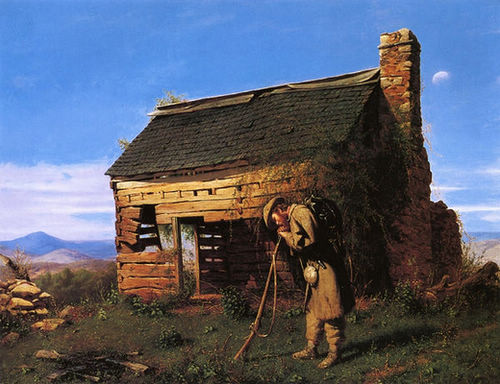
Does the battle flag symbolize more than slavery and the oppression of African Americans? Sure. But in future, the fewer Confederate flags you see flying in public view, the better for Richmond and the South. To add more flags to the southern landscape, even at historical sites, is at best a little embarrassing. The VMFA holds a wonderful collection of artifacts from all periods of history. It contains a memorable portrait of a Confederate soldier returning home titled “The Lost Cause.” It is moving in a way that a thousand people waving Confederate flags at a parade is not.
John Coski, who works at the Museum of the Confederacy in downtown Richmond, wrote a terrific book, The Confederate Battle Flag: America’s Most Embattled Emblem. I’m sure he will have no shortage of materials should he decide to write a new chapter in a later addition of the book.
Colin Woodward is a historian and archivist. He is the author of Marching Masters, Slavery, Race, and the Confederate Army during the Civil War (University of Virginia Press, 2014). He is writing a second book on Johnny Cash.



 Colin E. Woodward's Official Site
Leave a comment