By Colin Woodward
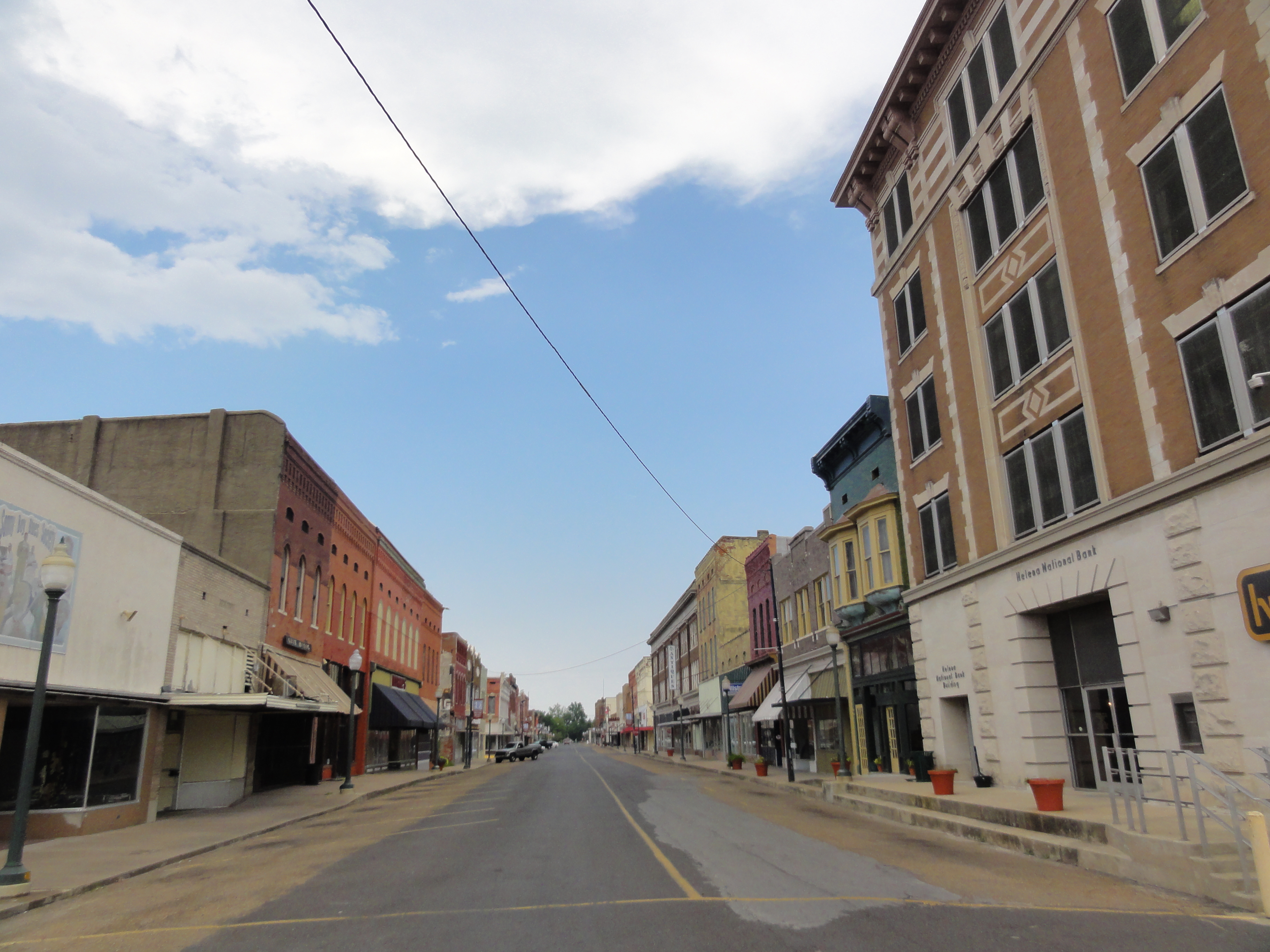
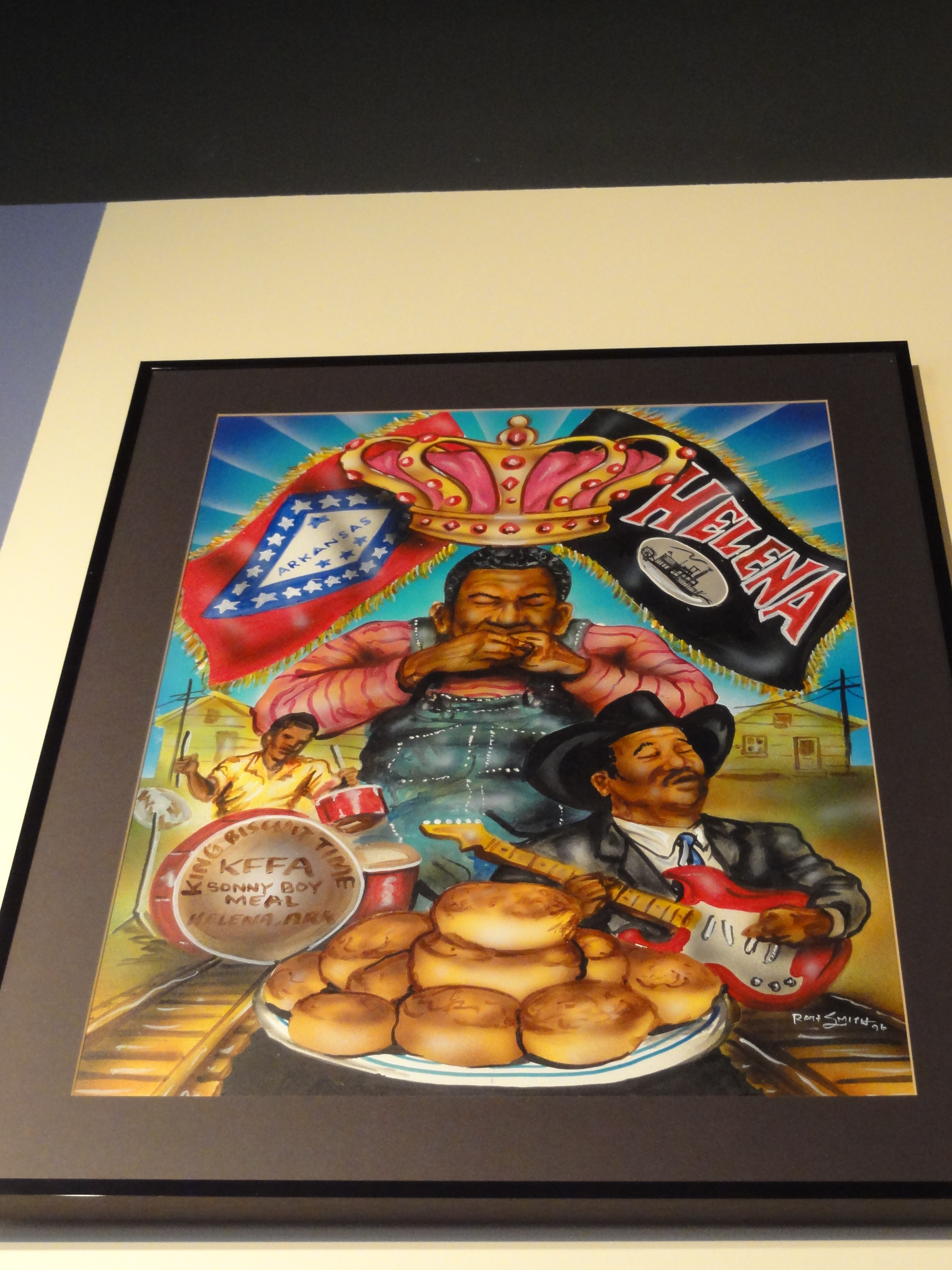
In July, I had the opportunity to visit Helena, Arkansas, a true Delta town about two hours east of Little Rock. The town has a lot of history. The place was where Levon Helm of the Band grew up. Helm became famous later as a drummer, but early in his life, he realized playing guitar at local venues was his ticket out of the fields. As a boy, Helm, who was born Mark Lavon Helm, had the chance to see blues master Sonny Boy Williamson perform in town. Williamson played with Robert Johnson, who grew up in nearby Clarksdale, Mississippi.
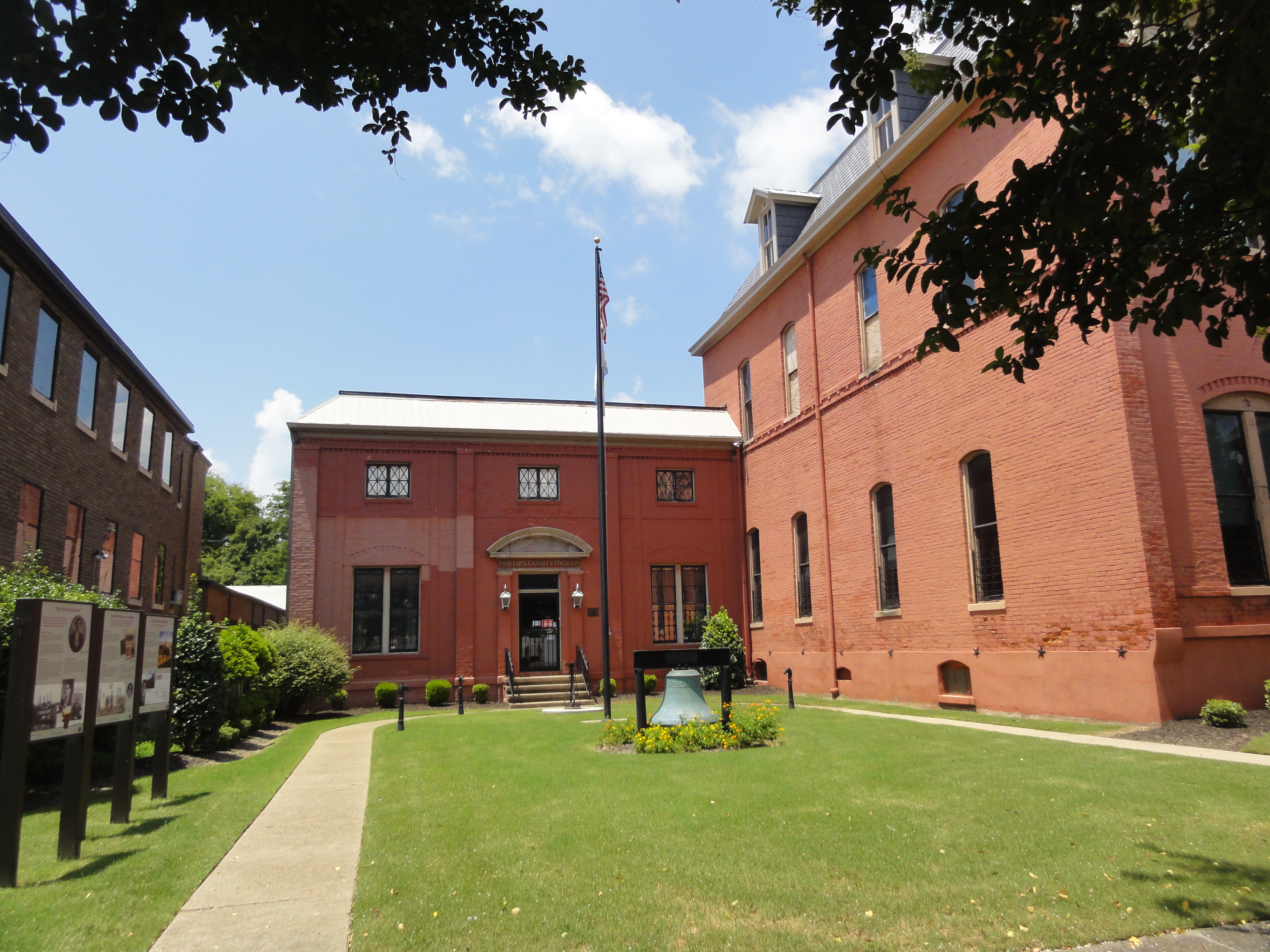
Helena also has an important Civil War history. Helena produced more Confederate generals than any other southern town of its size. Unfortunately, the town has fallen on hard times. If you’re a history buff, Helena is well worth a visit. It contains not just a newly restored Fort Curtis, but also a terrific (and hilly) Confederate cemetery, not to mention the Helena Museum, the Delta Cultural Center, and the Phillips County Museum.
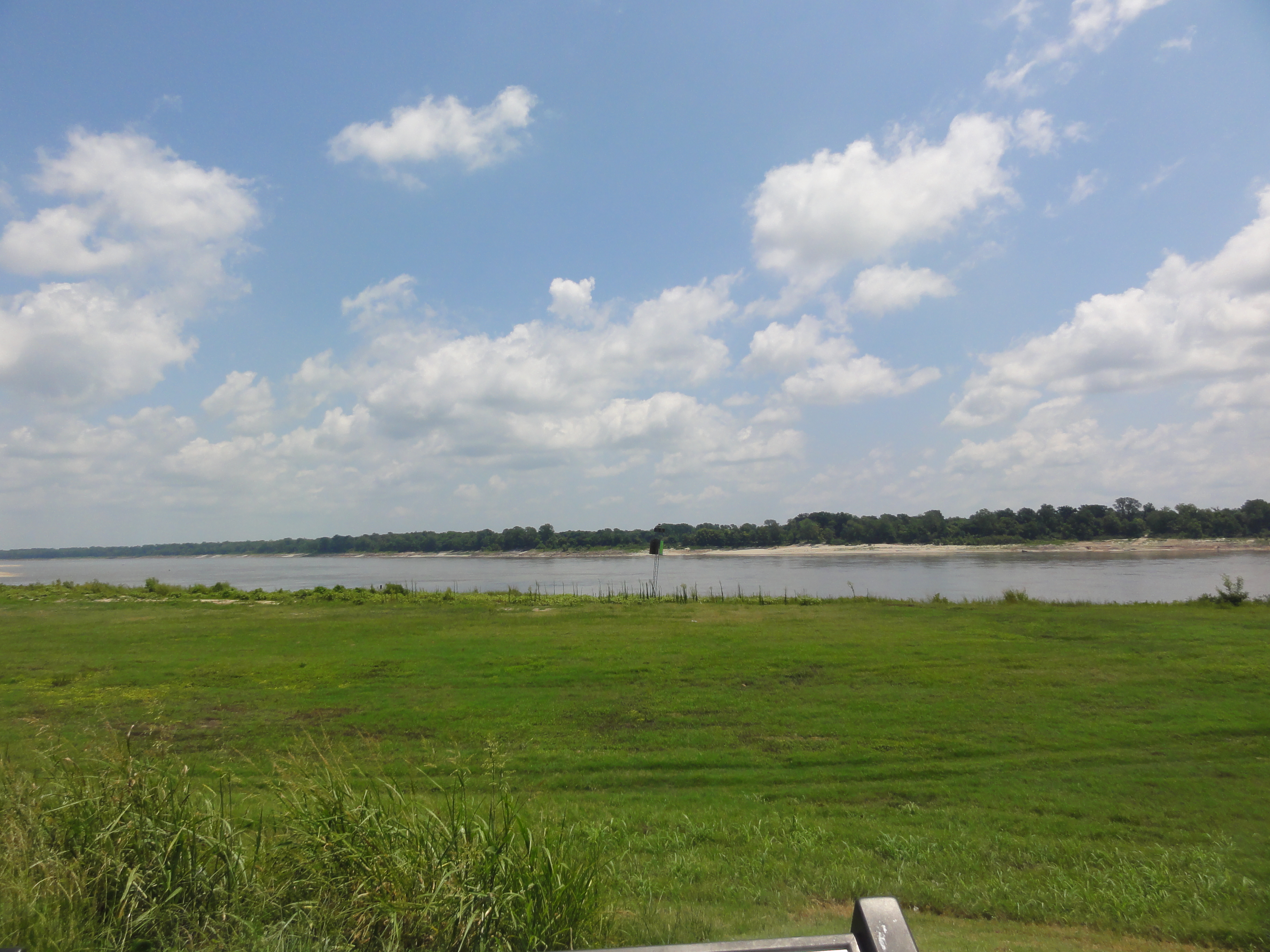
I toured the city’s Civil War sites, courtesy of local expert John Darnell, who took me all the way from west Helena to the Mississippi River levee to the east. I was hoping to find the spot where the skirmish at Polk’s plantation happened in May 1863. Along the way, I learned a lot about Helena’s past and had a chance to see how the town is faring in the Great Recession.
Helena’s Civil War history is interesting. In the summer of 1862, the Federal army occupied Helena, which became a staging ground for Union expeditions further south, most importantly during Grant’s campaign against Vicksburg. For Union troops, the low-lying, flood-prone, mosquito-infested place was pestilential. They called it “Hell-in Arkansas.”
Mid-nineteenth century doctors were of little help. Armed with dubious medicines, some of which contained mercury, Civil War doctors did more harm than good. Rhonda M. Kohl published an article in the June 2004 issue of Civil War History about how “godforsaken” Helena was during the war. Troops stationed in Helena also suffered from the increasing plague of Rebel guerrillas in Arkansas, who didn’t like to play by the “rules” of warfare.
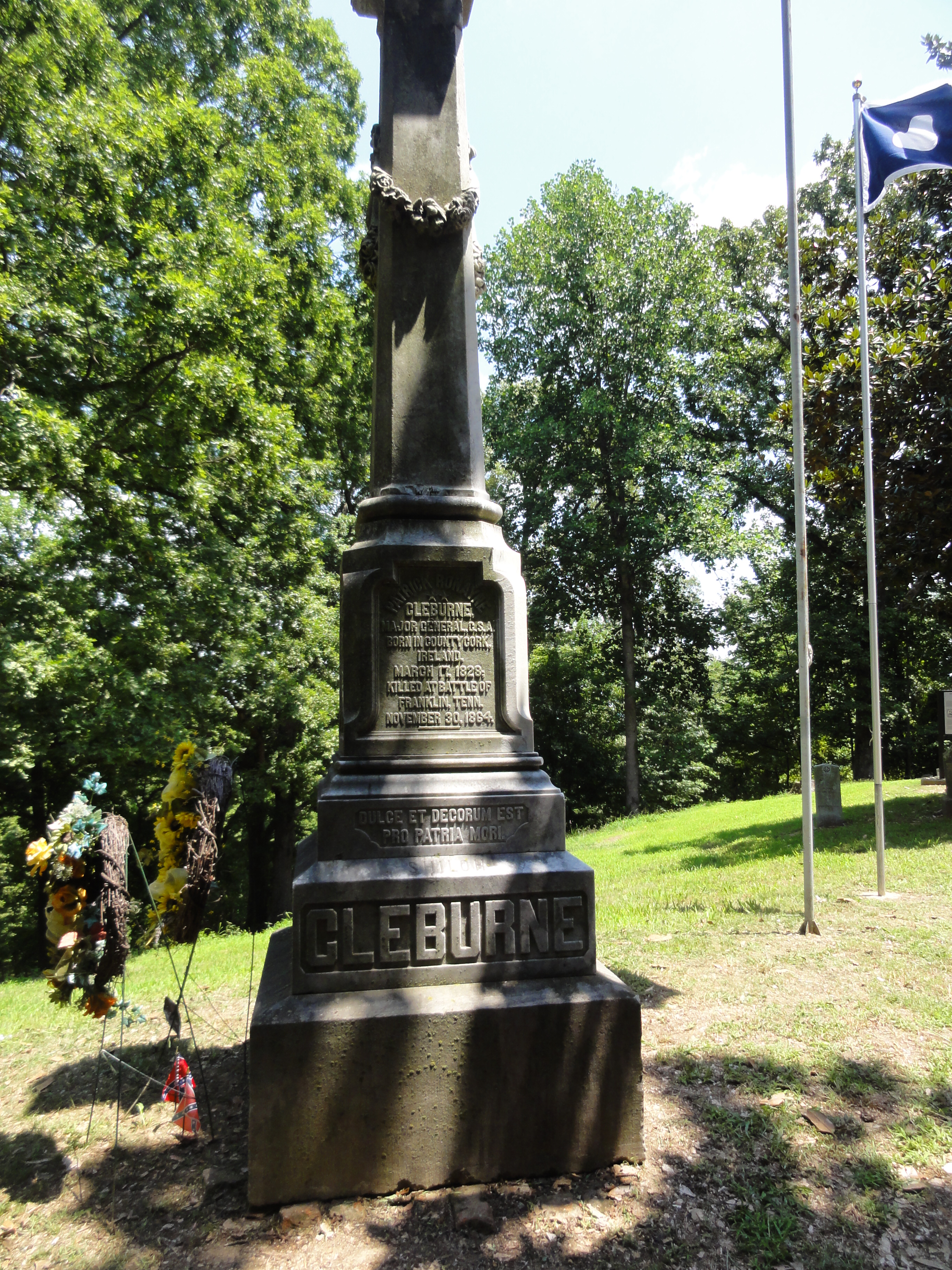
Perhaps the most famous Civil War resident of Helena–if not the most famous resident of the city overall–is General Patrick Cleburne. Cleburne was a lawyer before the war broke out, but he became known as the “Stonewall of the West” for his firm stand at the battle of Chattanooga in the fall of 1863, where he might have saved the Rebel army from total disaster.
Cleburne was born in Ireland, and unlike most [yes, most] Confederate officers, he owned no slaves when the war broke out. Yet, had he lived (he died in November 1864), he would have married into a slave-owning family. Cleburne is well-known in Civil War circles not only for his battle acumen, but his early January 1864 proposal in which he wanted to free (some) slaves to fight in the Confederate army.
Cleburne was no abolitionist, and his proposal, if implemented, would have left the vast majority of slaves still in bondage. But his famous plan would have changed the nature of the Confederate war effort. Some of his superiors were appalled by the idea of slaves fighting alongside Confederates. They quashed the proposal and prevented Cleburne from ever gaining a (well-deserved) promotion. With the eventual support of Jefferson Davis and Robert E. Lee, the South enlisted black troops until March 1865, by which time it made little difference in the war effort. Yet, historians continue to debate to what extent African Americans would have fought effectively for the Confederacy had Cleburne gotten his way.
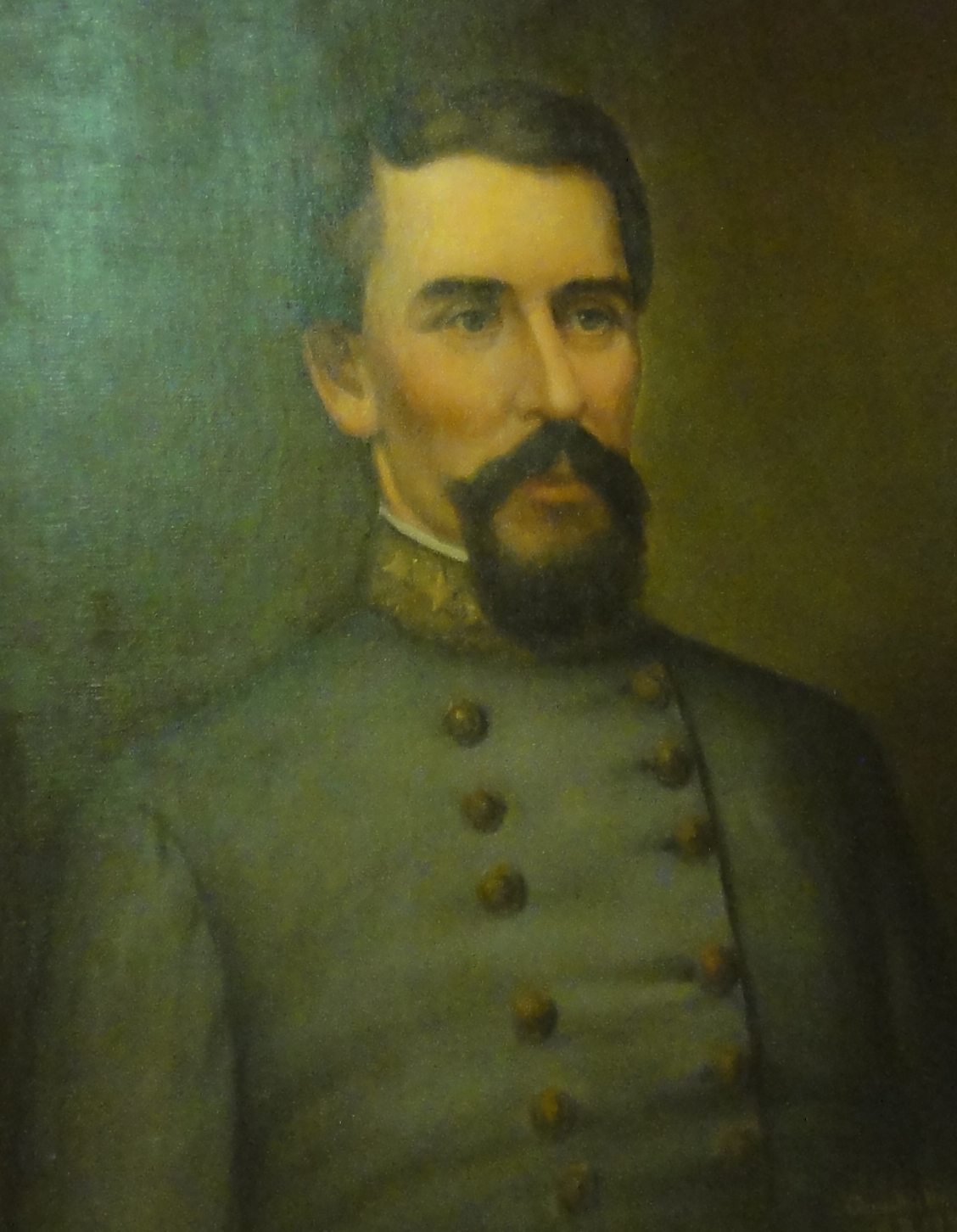
Cleburne died at the horrific battle of Franklin in Tennessee in late 1864, but his body was brought back to Helena, where it lies. He is buried in the same cemetery as General Thomas Hindman, a far less well-known but talented general in his own right. Hindman was a virtual dictator in Arkansas for a while, until Jefferson Davis heard about his draconian measures and sent Theophilus Holmes to monitor him. Holmes, however, ultimately didn’t interfere much with him.
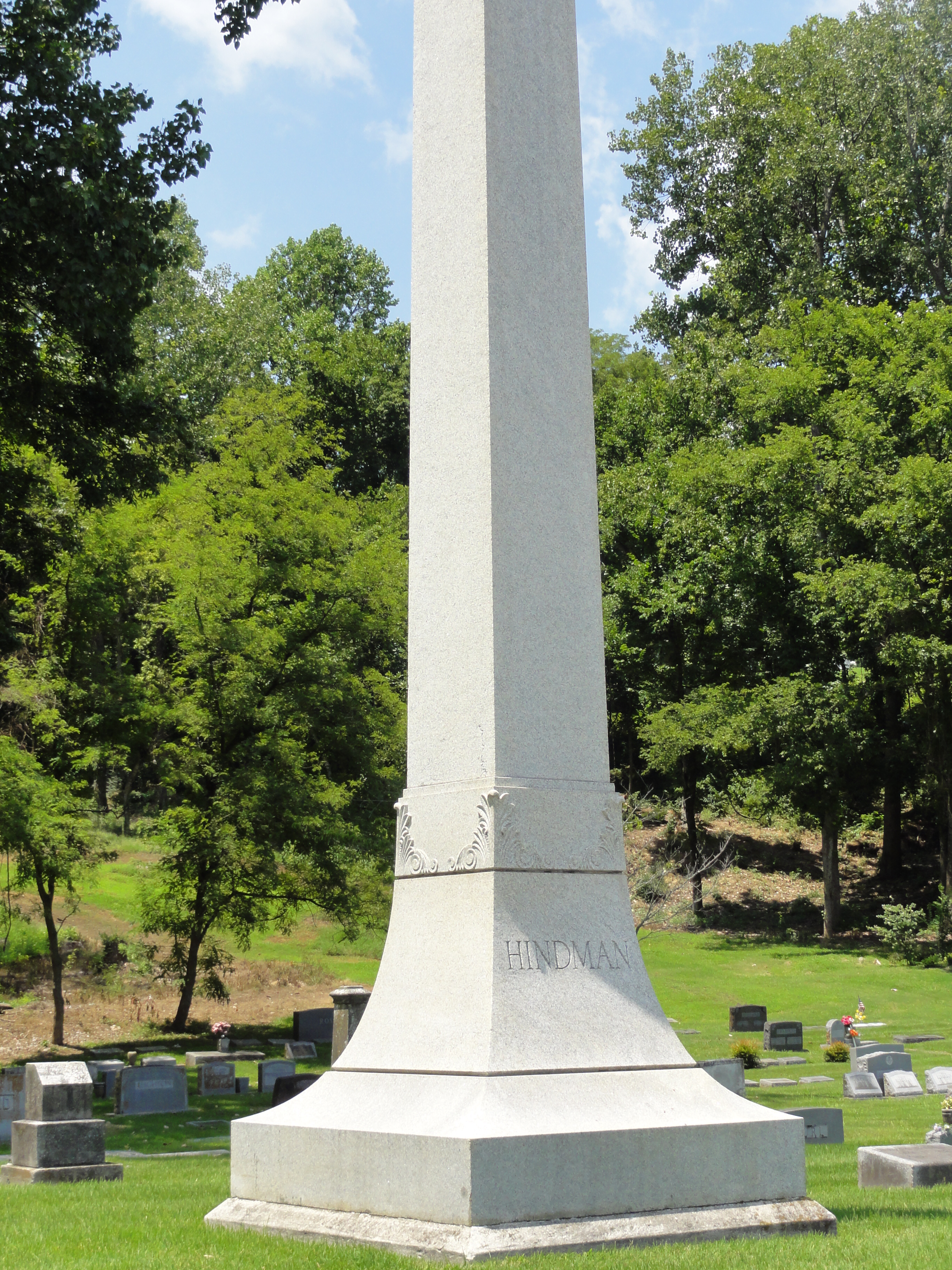
Hindman and Cleburne were friends, though Cleburne was far more moderate politically. The hard-drinking and abrasive Hindman was one of the Fire-eaters who urged the South to secede. After the war, he lived in Mexico before returning to Helena. He should have stayed away. He was assassinated in September 1868 while reading the paper in his home. His killers were never caught.
Also buried at the cemetery was Archibald Dobbins of the 1st Arkansas Cavalry who died in South America after the war, under mysterious circumstances. My guide said he thought Dobbins might’ve been killed by cannibals. True or not, I guess there are some things more dangerous than a Yankee with a Springfield rifle. In any case, Dobbins is another in a long list of Civil War officers who fared poorly after the war.
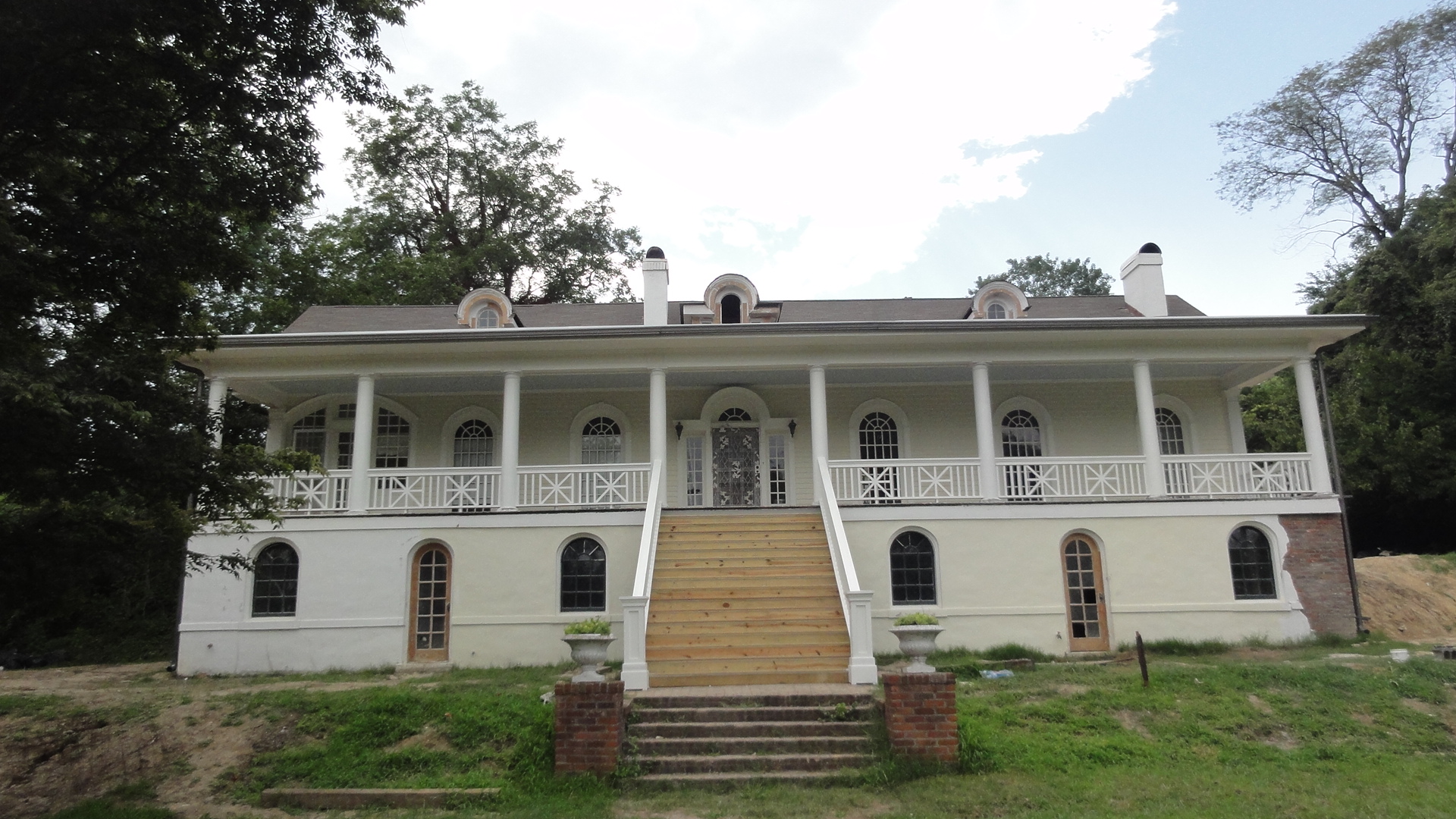
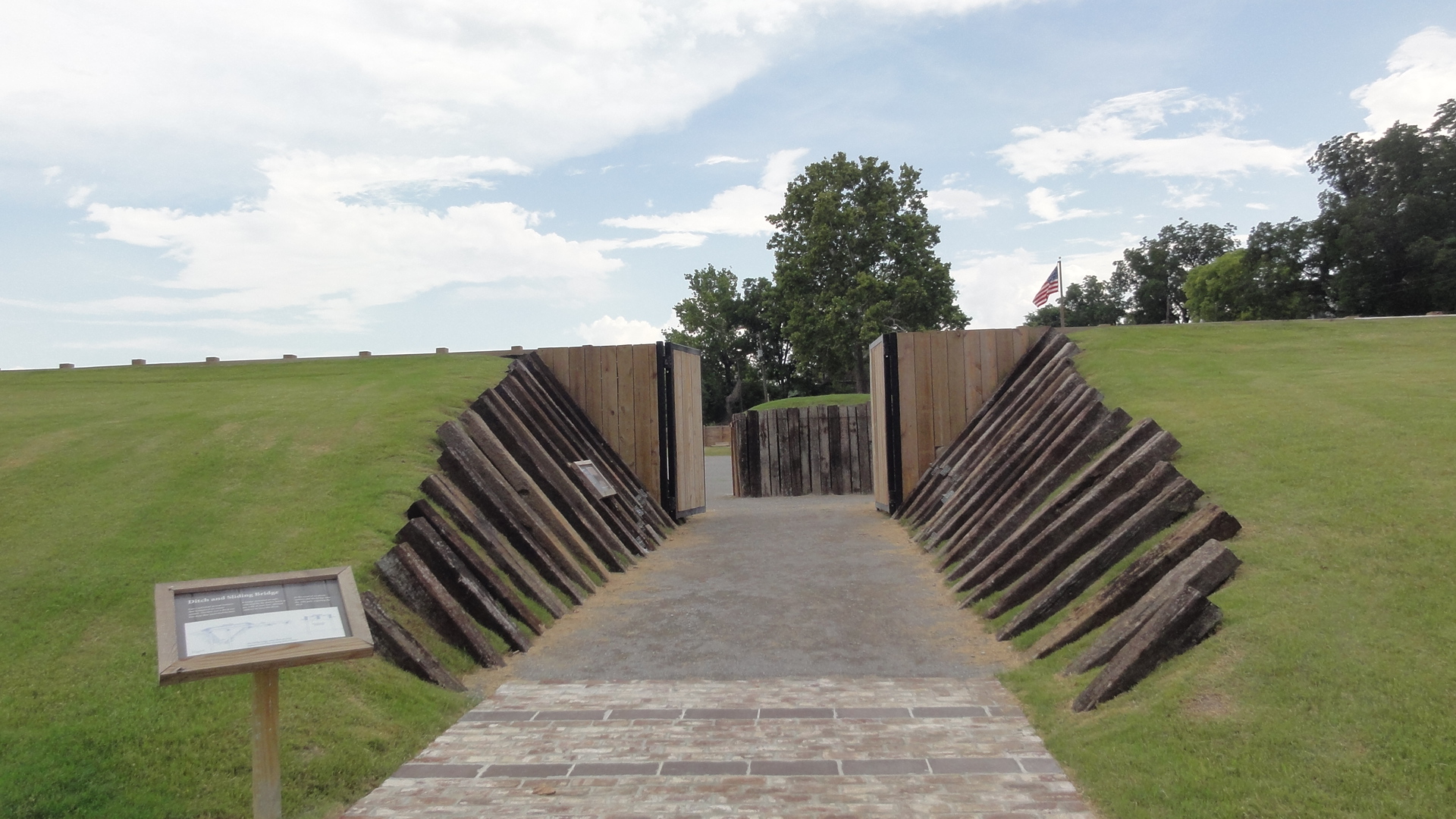
Helena is seeing some encouraging historic renovations. One is of an antebellum home about a mile from the downtown, which will become the town’s Civil War Center. Another has been Ft. Curtis. Although smaller in scope than the site was during the war, it’s unlike anything else I’ve seen in a southern town.
I also heard the Cleburne Hotel is being remodeled, though it looks like the work hasn’t begun yet. As it stands the hotel looks like it was just condemned. But, assuming investors are pumping a lot of money in it, the hotel might regain its nineteenth century glory.
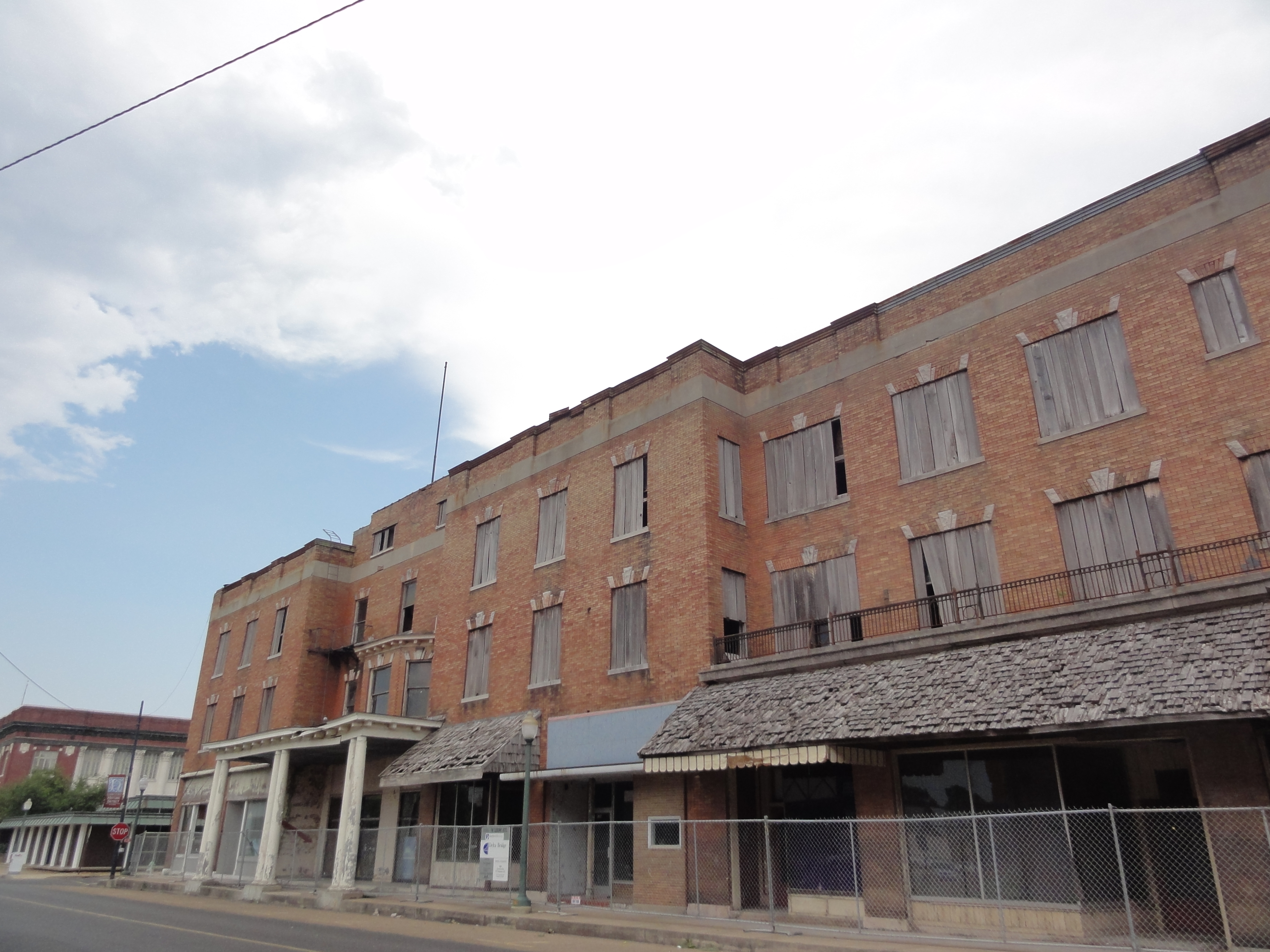
It’s undeniable that Helena has seen better days. From what I could gather from the exhibit at the Delta Cultural Center, the town was far more prosperous during the late-1930s, when there were movie theatres and shopping in the downtown. Now, there are no movie theatres, no department stores. One restaurant open in the afternoon on a Saturday. That’s a shame, given the town’s history, not just as a Civil War site but for music. The King Biscuit Hour is the longest running radio show in the country. And such blues luminaries as Robert Johnson and Blind Willie Johnson used to hang out in Helena.
Helena is hosting the Arkansas Historical Association meeting in April 2013. The theme is “Claiming Freedom.” I’m sure it will be a good conference, but I hope it will bring some much needed revenue to Helena, a historic city that has the potential to become a true tourist destination, if only for southern history nerds.
Colin Woodward is a historian and archivist. He is the author of Marching Masters, Slavery, Race, and the Confederate Army during the Civil War (University of Virginia Press, 2014). He is writing a second book on Johnny Cash.




Leave a Reply